
Understanding the House Edge
The house edge is a fundamental concept in the world of gambling, representing the mathematical advantage that casinos have over players. This edge varies by game type, with some games offering a higher house edge than others. For example, while slot machines typically have a house edge that can soar above 10%, table games such as blackjack or poker often present a much lower edge, frequently below 2%. Players looking to maximize their experience at various venues, including those like $20 neosurf casino australia real money , should understand the nature of the house edge to make informed decisions about the games they choose to engage in, as it provides insight into their potential long-term losses versus gains.
While the house edge ensures that casinos remain profitable, many players mistakenly believe that they can consistently outsmart this advantage through various strategies or betting systems. However, these methods often fail to account for the inherent house edge, leading to unrealistic expectations about winning. Players need to recognize that no strategy guarantees success in the long run; the house edge is a built-in feature of the game’s design, making it a permanent aspect of casino gaming that cannot be eliminated by clever tactics alone.
Moreover, it’s crucial to note that the house edge operates on a long-term basis. Over a short period, players may experience winning or losing streaks due to variance, which can create the illusion that the house edge can be beaten. However, as more rounds of the game are played, the statistical advantage of the house edge becomes increasingly apparent, and players are likely to lose more than they win. This reality underscores the importance of managing emotions and expectations when gambling, emphasizing the need for a balanced approach to both play and betting amounts.
Games with the Lowest House Edge
For players seeking to minimize their losses, choosing games with a lower house edge can be a strategic way to enhance their chances of walking away with profits. Games like blackjack and baccarat are known for having some of the lowest house edges, often sitting below 2%. This means that for every dollar wagered, the casino only expects to keep a small percentage over the long term. Understanding the rules and implementing effective strategies can further reduce the house edge, making these games more favorable for players who are savvy enough to learn them and apply the right techniques.
In blackjack, for instance, players can employ strategies such as basic strategy charts, which inform them of the optimal decision based on their hand and the dealer’s up card. By adhering to these strategies, players effectively lower the house edge even further, making it possible to experience favorable outcomes more often. This combination of knowledge and execution allows players to leverage their skills against the house advantage, illustrating how informed gameplay can yield better results over time. Of course, while understanding and utilizing such strategies is beneficial, it is vital to remember that luck still plays a crucial role in the outcome of any game.

Poker is another popular option that offers a unique twist on the house edge. Unlike most casino games, where players compete against the house, poker pits players against each other. The casino earns its revenue through a “rake,” or a small percentage taken from each pot, rather than through a built-in advantage in the game itself. Skilled players can increase their chances of winning by utilizing strategic play, reading opponents, and managing their bankroll effectively, thereby diminishing the house’s influence over their success. This player-versus-player dynamic allows for greater skill application and can lead to more favorable outcomes for those who master the game.
The Role of Skill in Beating the House Edge
Skill plays a crucial role in certain casino games, allowing players to potentially overcome the house edge more effectively than in purely luck-based games. For example, in games like poker, skillful play, psychological tactics, and the ability to read opponents can lead to consistent winnings. Unlike slot machines, which rely entirely on chance, poker and similar games reward players who can analyze situations, calculate probabilities, and make well-informed decisions that increase their odds of winning.
While skill may not eliminate the house edge, it can significantly mitigate its effects. This is particularly true in games like blackjack, where players who master basic strategy can reduce the house edge to less than one percent, making it one of the most player-friendly options available in casinos. Additionally, skilled players can recognize favorable game conditions and capitalize on them, leading to more successful outcomes over time. This ability to adapt and leverage skill is what separates casual players from more serious gamblers who are committed to improving their game.
However, it’s important to recognize that not all casino games allow for skillful play. Many games, such as roulette or slot machines, are predominantly luck-based, leaving little room for strategy. In these cases, a player’s knowledge will not significantly impact the outcome. Therefore, understanding the nature of each game is essential for players who wish to maximize their betting potential while minimizing losses. Recognizing which games demand skill and which rely on chance can help players make more strategic decisions about where to place their bets.
The Psychological Aspect of Gambling
Gambling is not just a numbers game; it also has significant psychological components that influence players’ decisions and perceptions. Many individuals enter casinos with the belief that they can beat the odds, often due to anecdotal success stories or a misunderstanding of gaming analytics. This belief can lead to the illusion of control, where players might increase their betting amounts or change strategies based on emotions rather than rational decision-making. Such psychological traps can lead to detrimental habits that ultimately favor the house.
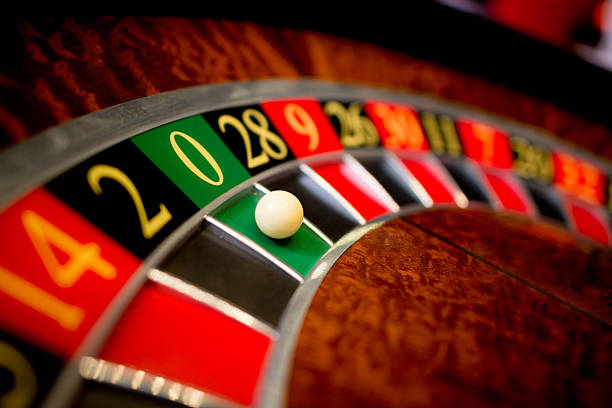
The concept of “loss chasing” is a common psychological trap that gamblers often fall into. When players incur losses, the urge to recover those losses can lead to additional gambling, which often exacerbates the situation. This emotional rollercoaster can cloud judgment and lead to poor decision-making, further tipping the scales in favor of the house. Players need to maintain a clear mindset and set strict limits to ensure that they gamble responsibly, recognizing that emotional responses can significantly influence their financial outcomes.
Understanding the psychological aspects of gambling can empower players to approach their gaming experiences with a more strategic mindset. By recognizing emotions such as excitement, frustration, or desperation, players can better navigate their choices and develop a healthier relationship with gambling. This awareness can help them manage their bankrolls more effectively and enjoy their time in casinos without falling victim to the negative aspects of gambling behavior. A balanced approach to gambling can lead to more enjoyable experiences and a greater appreciation for the games themselves.
Your Source for Responsible Gambling Information
At our website, we prioritize providing players with well-researched information on how to approach gambling responsibly and strategically. We believe that understanding the intricacies of the games and the mathematics behind them is crucial for anyone looking to navigate the casino landscape. Our extensive resources include guides on various games, strategies for minimizing losses, and tips for managing gambling habits effectively, ensuring that players are equipped with the knowledge they need.
We recognize that gambling can be both entertaining and potentially risky, which is why we advocate for informed choices. Players are encouraged to learn about the house edge, the different games available, and how to implement strategies that minimize risk. Our mission is to ensure that players have access to the knowledge they need to enjoy gambling as a form of entertainment without falling into harmful patterns or misconceptions. Education is a powerful tool in fostering a responsible gambling environment.
By fostering a community of informed gamblers, we aim to promote a culture of responsible gaming. Our content is designed to support players in making the most of their casino experiences, enhancing enjoyment while safeguarding their well-being. Whether you’re a novice or an experienced player, our website is a valuable resource on your journey through the world of gambling, helping you make choices that are both enjoyable and responsible.
