
The Allure of the Casino Environment
The casino environment is meticulously designed to captivate and engage patrons. Bright lights, vibrant colors, and alluring sounds create an atmosphere that entices visitors to stay longer and spend more. From the moment one steps inside, the sensory overload can evoke a feeling of excitement and anticipation. This carefully curated ambiance is a significant part of gambling psychology, as it encourages players to immerse themselves in a world where fortunes can change in an instant, such as at a best online casino with instant withdrawal that offers thrilling opportunities. The sights and sounds are not just for entertainment; they play a crucial role in the psychological engagement of players, drawing them deeper into the experience.
Additionally, the layout of casinos is often strategic, with games organized in a manner that leads players around the space. Slot machines are typically placed in high-traffic areas, capturing the attention of those passing by. This design element is not accidental; it plays into the psychological concept of “loss aversion,” where individuals feel compelled to engage with opportunities they might miss out on, further driving them into the depths of gaming. The arrangement of tables and machines creates a natural flow that encourages exploration, making it harder for patrons to leave without participating in at least a few rounds of play.
The use of rewards and incentives like “comps” and loyalty programs also enhances the appeal of casinos. These perks can make players feel valued and increase their sense of attachment to the casino. When people receive complimentary drinks, meals, or accommodations, they often associate these gestures with the thrill of gambling, reinforcing their motivation to return. This psychological hook is powerful, as it can lead to habitual gambling behavior, driven by the desire for continued rewards. In essence, casinos create a feedback loop where the excitement of potential wins is continually reinforced by tangible benefits, making it increasingly difficult for individuals to resist the lure of gambling.
The Role of Cognitive Dissonance in Gambling
Cognitive dissonance is a psychological phenomenon that occurs when individuals experience conflicting beliefs, particularly relating to their choices and behaviors. In the context of gambling, players often grapple with the contradiction of knowing the odds are against them while still believing they can win. This discomfort can lead them to justify their gambling decisions and continue playing, despite the potential for negative consequences. For example, a person might acknowledge that the house always has an edge, yet still convince themselves that their next bet could turn their luck around, reflecting a classic case of cognitive dissonance.
For instance, a gambler may rationalize a losing streak by focusing on past wins, creating a narrative that they are “due” for a victory. This self-deception serves to alleviate the cognitive dissonance resulting from their losses. By emphasizing the potential for success, they ignore the statistical reality of their situation, which can lead to a continuous cycle of gambling behavior and increased financial risk. This rationalization can become more pronounced during periods of high emotional investment, where the gambler’s desire to win overshadows their understanding of the odds.
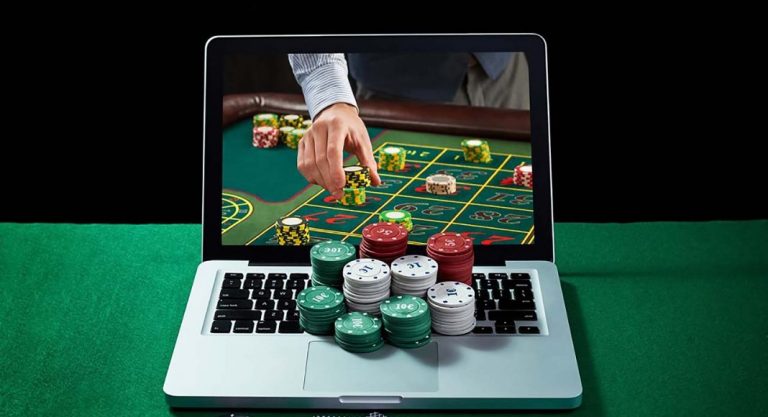
Moreover, cognitive dissonance can also manifest in the form of “chasing losses.” After experiencing a significant loss, a player might feel compelled to bet more in an attempt to recover their losses. This behavior is often reinforced by the belief that luck is variable, and a win is just around the corner. Thus, the struggle between the understanding of risk and the hope for reward can create an escalating pattern of behavior that further entraps gamblers. This cycle often leads to larger bets and greater financial strain, as the gambler becomes increasingly desperate to validate their belief in a forthcoming win.
Emotional Triggers and Gambling Behavior
The emotional landscape of gambling is complex, intertwining joy, excitement, anxiety, and despair. Emotions play a critical role in gambling decisions; players often gamble to escape negative feelings or to amplify positive ones. For example, those experiencing stress may turn to gambling as a means of distraction, believing that a big win will alleviate their problems. This emotional connection can foster an unhealthy reliance on gambling for emotional regulation, leading individuals to use gambling as a coping mechanism rather than addressing underlying issues.
Similarly, the thrill associated with gambling can create a euphoric high, leading individuals to chase after that feeling time and again. Winning, even small amounts, can trigger the brain’s reward system, releasing dopamine that enhances the feeling of happiness and satisfaction. This function of gambling, paired with emotional dysregulation, can lead players to gamble more frequently, hoping to replicate that elusive high. The excitement and rush of winning can quickly become addictive, overshadowing the potential for loss and financial harm.
However, the excitement can quickly shift to despair when losses accumulate, creating a cycle of emotional turmoil. This volatility can lead to reckless gambling behavior as players seek to recapture their previous high or escape the emotional low of their losses. Understanding these emotional triggers is crucial for addressing harmful gambling behaviors, underscoring the need for enhanced awareness and support mechanisms within the gambling community. Ultimately, recognizing the emotional rollercoaster that gambling induces is vital for both players and those who care for them, as it can pave the way for healthier coping strategies and more responsible gambling practices.
The Influence of Social Dynamics on Gambling
The social environment surrounding gambling can significantly impact individual behaviors and attitudes. Many people enjoy the communal experience of gambling in casinos, where shared excitement can amplify personal enjoyment. The presence of other players can create a sense of camaraderie and competition that encourages more gameplay, as individuals feed off the energy and enthusiasm of those around them. Social gambling can enhance the thrill but also contribute to increased risk-taking behaviors, making it essential for individuals to be aware of their own boundaries while engaging in social settings.

Peer pressure is another critical factor influencing gambling behavior. Players may feel compelled to join others in betting, even if it goes against their better judgment. This influence can be particularly potent among friends or groups, where the desire to fit in can overshadow rational decision-making. Additionally, social interactions often involve discussions of wins and losses, further perpetuating gambling myths and behaviors, such as the belief that certain games are more favorable. This social reinforcement can lead to an environment where excessive gambling is normalized and even celebrated.
Social media and online platforms have also changed the landscape of gambling dynamics. Gamblers can share their experiences and successes, creating a community that glorifies gambling. This online presence can reinforce gambling behavior by normalizing excessive play and glorifying the perceived potential for big wins. The combination of in-person interactions and digital communities can complicate the psychology of gambling, as individuals navigate the blurred lines between social interaction and compulsive gambling behavior. Understanding these dynamics is crucial for developing effective strategies to promote responsible gambling and protect vulnerable individuals from the negative impacts of social influences.
Understanding Responsible Gambling and Support Mechanisms
As the understanding of gambling psychology deepens, the importance of responsible gambling practices becomes increasingly clear. Awareness initiatives aim to educate individuals about the risks associated with gambling and the psychological factors at play. Services that offer support for problem gambling can provide vital resources, including counseling and financial management advice, to help individuals regain control over their behavior. Education is key in fostering a culture of responsibility among gamblers, as knowledge can empower individuals to make informed choices.
Additionally, many casinos and gaming establishments are now implementing responsible gambling practices. These initiatives include self-exclusion programs, where individuals can voluntarily ban themselves from gambling venues, and limits on betting amounts to help mitigate the risks associated with excessive gambling. Such measures are designed to foster a safer environment and encourage players to engage thoughtfully with gambling activities. By creating structured guidelines and support systems, casinos are taking proactive steps to promote healthier gambling habits.
Supportive communities and online resources are also essential in addressing gambling addiction. Websites dedicated to responsible gambling provide information and tools for self-assessment, helping individuals to identify when their behavior may be becoming problematic. These platforms create a safe space for dialogue and education, emphasizing the importance of balance and moderation in gambling. By focusing on awareness and proactive measures, the gambling community can work together to promote healthier gaming habits, ultimately leading to a more responsible gambling culture that prioritizes the well-being of all players.
